
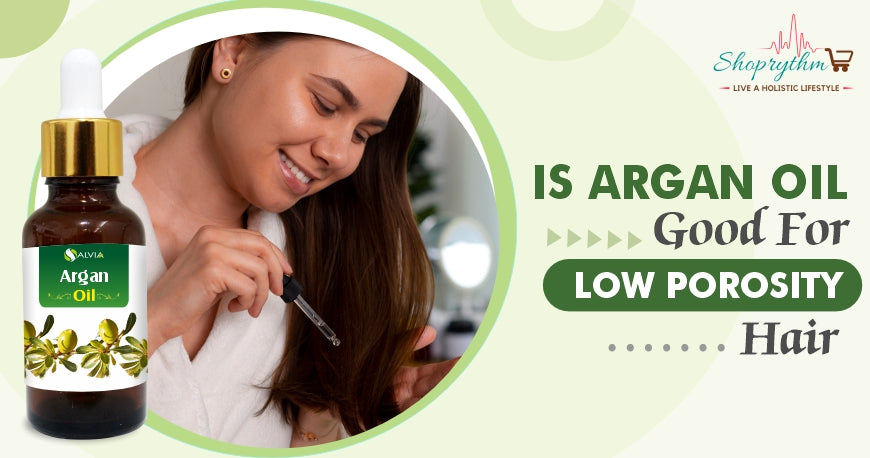
Yes, argan oil is good for low porosity hair. It helps to moisturize and nourish without weighing it down.
Low porosity hair can be challenging to maintain. It often repels moisture, making it hard to hydrate. Argan oil is a lightweight oil that can penetrate hair strands, providing essential nutrients. This oil is rich in vitamins, antioxidants, and fatty acids.
These components help improve hair health and manageability. Using argan oil can make your hair smoother and more manageable. It’s an excellent choice for those with low porosity hair. Keep reading to learn how to use argan oil effectively and the benefits it offers.
Introduction To Argan Oil
Curious about the benefits of argan oil for your low porosity hair? Let’s start with a basic introduction to argan oil. This golden oil has been a staple in beauty routines for centuries, but what makes it so special?
Origins And Production
Argan oil comes from the kernels of the argan tree, which grows primarily in Morocco. These trees are incredibly resilient, thriving in arid conditions. The production of argan oil is a labor-intensive process. Women in local cooperatives hand-crack the nuts to extract the kernels.
Once the kernels are collected, they are cold-pressed to extract the oil. This method preserves the oil’s nutrients. The final product is a rich, golden oil that’s packed with benefits.
Nutritional Composition
Argan oil is rich in essential fatty acids, particularly oleic and linoleic acids. These fats are crucial for maintaining healthy hair. They help to lock in moisture, which is especially beneficial for low porosity hair.
The oil also contains vitamin E, a powerful antioxidant. Vitamin E helps to protect your hair from environmental damage. It’s like giving your hair a shield against pollution and UV rays.
Additionally, argan oil includes other nutrients like squalene and polyphenols. These compounds offer anti-inflammatory and moisturizing properties. They can help soothe your scalp and add shine to your hair.
Have you ever tried argan oil on your low porosity hair? If not, it might be time to give it a shot. The unique composition of argan oil could be just what your hair needs.
Understanding Low Porosity Hair
Low porosity hair can be a bit of a mystery. It often looks shiny and healthy, but it might not feel that way to you. If you’ve ever wondered why your hair doesn’t soak up products or takes forever to dry, you might have low porosity hair.
Characteristics
Low porosity hair has tightly closed cuticles. This means it repels moisture instead of absorbing it. Your hair might feel smooth and slick, but that’s because the cuticles are laying flat.
Water tends to bead up on low porosity hair. You might notice this when you shower or apply products. It can also feel like products just sit on top of your hair instead of penetrating it.
Common Challenges
One common challenge with low porosity hair is product buildup. Since products don’t easily penetrate, they can accumulate on your hair over time. This can make your hair feel greasy or heavy.
Another issue is dryness. Even though your hair might look shiny, it could still be dry on the inside. This happens because moisture struggles to get past the closed cuticles.
Have you ever felt frustrated trying to dry your hair? Low porosity hair tends to stay wet for a long time. It can be hard to manage if you’re always in a rush.
Dealing with these challenges can make your haircare routine feel like a constant struggle. But understanding your hair’s unique needs is the first step to finding solutions that work.
Benefits Of Argan Oil For Low Porosity Hair
Argan oil has been celebrated for its numerous benefits, especially for hair care. If you have low porosity hair, you might be wondering if argan oil is suitable for you. Let’s dive into the specific benefits that argan oil offers for low porosity hair.
Moisturizing Properties
Low porosity hair often struggles with moisture retention. Argan oil can help. It penetrates the hair shaft and provides deep hydration.
I used to struggle with dry, brittle hair despite using various conditioners. When I switched to argan oil, I noticed my hair felt softer and stayed moisturized longer. You might find that argan oil does the same for you.
Have you tried argan oil for moisturizing your low porosity hair? If not, it’s worth a shot.
Nourishing Effects
Argan oil is rich in vitamins and antioxidants. These nutrients nourish your hair, making it healthier and stronger.
Imagine your hair not only looking good but also being strong from the inside out. With regular use, argan oil can help you achieve that.
I once had a period where my hair was constantly breaking. Incorporating argan oil into my routine reduced breakage significantly. You could experience similar benefits.
Do you notice a lot of breakage in your hair? Adding argan oil might be the simple solution you need.

Credit: www.instagram.com
How Argan Oil Interacts With Low Porosity Hair
Argan oil can help low porosity hair by providing moisture without weighing it down. It smooths the hair cuticle, enhancing shine and manageability.
Argan oil is often hailed for its benefits. But how does it interact with low porosity hair? Low porosity hair has tightly closed cuticles. This makes it hard for moisture and oils to penetrate. Understanding this interaction can help you decide if argan oil is right for your hair type.Absorption Rate
Argan oil has a unique absorption rate. It is light and non-greasy. Low porosity hair struggles with absorbing oils. But argan oil can still benefit it. This oil sits on the hair surface longer. It provides moisture without weighing down the hair.Cuticle Penetration
Cuticle penetration is crucial for low porosity hair. The cuticles are tightly closed. This makes it hard for oils to enter. Argan oil can penetrate these cuticles. It helps in nourishing the hair from inside. This oil improves the hair’s health and shine. It can also reduce frizz and dryness. “`Application Tips For Argan Oil
Argan oil is often celebrated for its nourishing properties, but how should you apply it to low porosity hair? Understanding the right techniques can make a big difference in how effectively the oil works. Here, we break down the best ways to use argan oil to ensure your hair reaps all its benefits.
Pre-wash Treatment
Applying argan oil as a pre-wash treatment can help protect your hair from the drying effects of shampoo. Simply warm a few drops of argan oil in your palms and distribute it evenly through your hair. Focus on the ends where dryness is most common.
Leave it on for at least 30 minutes before washing. If you have time, overnight treatments can provide even deeper conditioning. Use a shower cap to avoid staining your pillows.
Leave-in Conditioner
Argan oil can also be used as a leave-in conditioner to keep your hair moisturized throughout the day. After washing and towel-drying your hair, apply a small amount of argan oil to your damp hair. This helps lock in moisture.
Comb it through to ensure even distribution. Pay extra attention to the ends and avoid the scalp to prevent greasiness. Do you struggle with frizz? This method can help tame those unruly strands.
Have you tried using argan oil in these ways? What was your experience? Share your tips in the comments below!
Credit: www.shoprythm.com
Diy Argan Oil Treatments
Argan oil is a favorite for hair care. It is rich in vitamins and antioxidants. This makes it perfect for low porosity hair. DIY Argan Oil treatments can help nourish and moisturize hair. Let’s explore some easy recipes.
Homemade Hair Masks
Creating your own hair masks at home is easy. Mix argan oil with natural ingredients. These masks can deeply hydrate your hair. Here’s a simple recipe:
Combine two tablespoons of argan oil with one ripe avocado. Mash the avocado until smooth. Apply the mixture to damp hair. Leave it on for 30 minutes. Rinse thoroughly with warm water.
Another great mask uses argan oil and honey. Mix two tablespoons of argan oil with one tablespoon of honey. Apply to your hair and cover with a shower cap. Wait for 20 minutes, then rinse well.
Oil Blends
Blending argan oil with other oils can boost its benefits. These blends can help lock in moisture. Here’s an easy oil blend recipe:
Combine equal parts of argan oil and coconut oil. Warm the mixture slightly. Apply to your hair from roots to tips. Leave it on for 15 minutes. Rinse with a gentle shampoo.
You can also try mixing argan oil with jojoba oil. Mix one part argan oil with two parts jojoba oil. Massage into your scalp and hair. Leave it for 30 minutes. Rinse well and enjoy soft, shiny hair.
Argan Oil Products To Try
Argan oil has become a popular choice for low porosity hair. It helps moisturize and nourish without weighing hair down. Different products are available to suit your needs. Here are some argan oil products to try.
Shampoos And Conditioners
Argan oil shampoos and conditioners are great for low porosity hair. They cleanse and hydrate without stripping natural oils. They also make hair softer and more manageable.
Look for sulfate-free options. Sulfates can dry out hair. Some good choices include OGX Renewing + Argan Oil of Morocco Shampoo and Conditioner. Another option is the ArtNaturals Moroccan Argan Oil Shampoo and Conditioner Set.
Pure Argan Oil
Pure argan oil can be a versatile addition to your hair care routine. It can be used as a leave-in treatment or to add shine. It helps seal in moisture and protects hair from damage.
Choose a high-quality, cold-pressed oil. This ensures the oil retains its nutrients. Some trusted brands include Pura D’or and Cliganic.
Apply a few drops to damp hair. Focus on the ends and avoid the scalp. This will help you get the most benefits from the oil.
Potential Side Effects
When considering the use of argan oil for low porosity hair, it’s essential to understand not just the benefits but also the potential side effects. While argan oil can offer incredible hydration and shine, there are risks to be aware of. Let’s dive into some of the potential side effects that might occur.
Allergic Reactions
Argan oil is generally safe for most people. However, some individuals may experience allergic reactions. If you have nut allergies, you might be at a higher risk since argan oil is derived from the nuts of the argan tree.
Always perform a patch test before using argan oil extensively. Apply a small amount on your forearm and wait for 24 hours to see if any redness or itching occurs. Better safe than sorry, right?
Have you ever tried a new product only to find out it doesn’t agree with your skin? That’s why testing is crucial. If you notice any signs of an allergic reaction, discontinue use immediately and consult a healthcare professional.
Overuse Consequences
Using too much argan oil can weigh down low porosity hair. The oil sits on top of your hair, making it look greasy rather than shiny. Less is more when it comes to applying argan oil.
Have you ever overused a product and felt like it did the opposite of what you wanted? It’s easy to think more oil means more benefits. However, excessive use can lead to buildup and make your hair look dull.
Consider using argan oil sparingly. Start with a few drops and adjust as necessary. This approach helps you find the right balance, making your hair look vibrant without the unwanted heaviness.
What are your thoughts? Have you faced any issues with argan oil? Share your experiences and let’s learn from each other.

Credit: sarvabyanadi.com
Frequently Asked Questions
Can I Use Argan Oil On My Low Porosity Hair?
Yes, you can use argan oil on low porosity hair. It helps moisturize and add shine. Apply sparingly for best results.
What Type Of Oil Is Best For Low Porosity Hair?
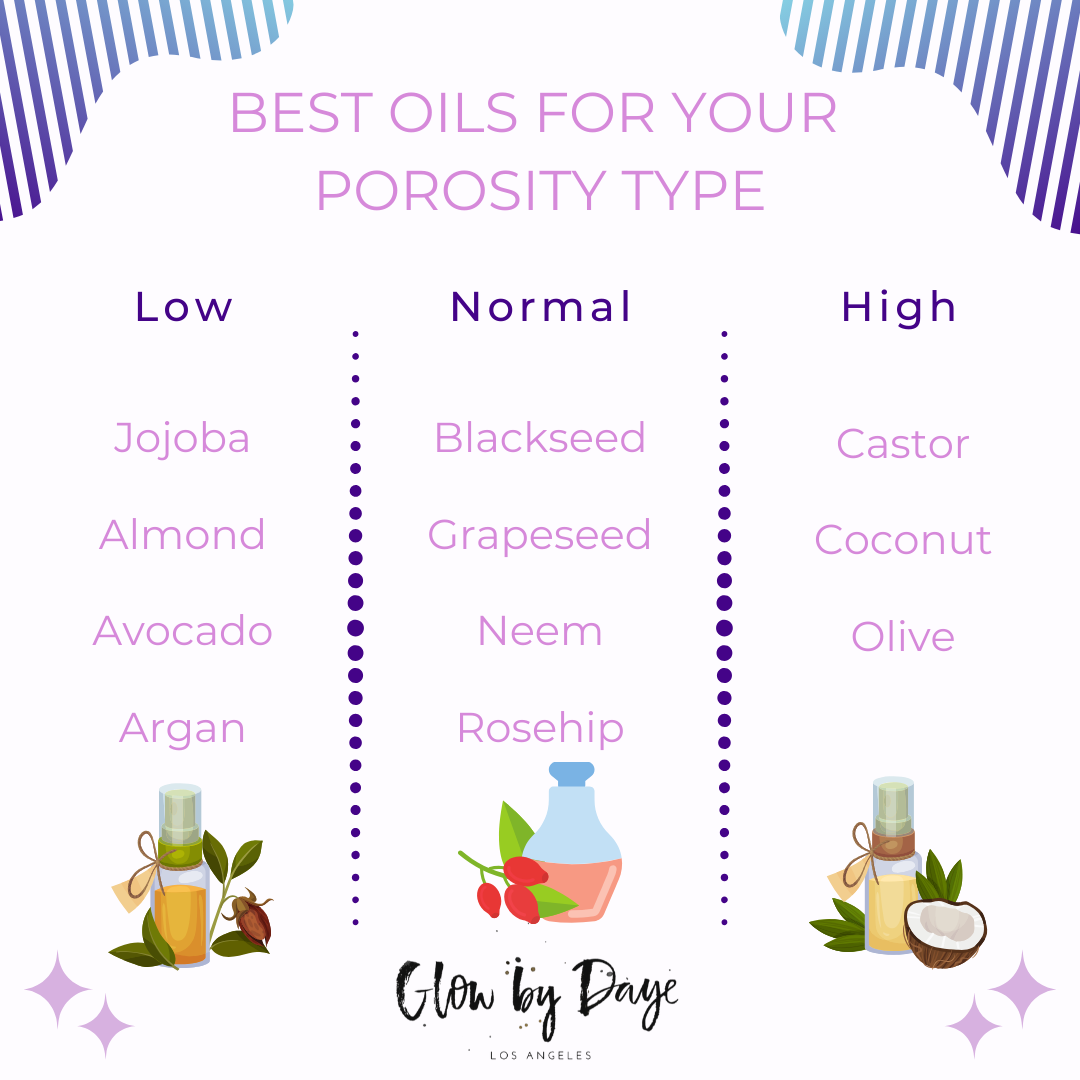
Lightweight oils like argan, grapeseed, and jojoba are best for low porosity hair. These oils penetrate easily without weighing hair down.
Who Should Not Use Argan Oil On Hair?
People with nut allergies should avoid using argan oil on their hair. It may cause allergic reactions.
What Damages Low Porosity Hair?
Heat styling, harsh chemicals, and excessive product buildup can damage low porosity hair. Overuse of protein treatments can cause breakage.
Conclusion
Argan oil can benefit low porosity hair. It provides moisture and nourishment. Its lightweight nature suits low porosity hair well. Regular use improves hair texture and shine. Always choose pure argan oil for best results. Try incorporating it into your hair care routine.
Your hair will feel softer and more manageable. Overall, argan oil is a great option for low porosity hair. Give it a try and see the difference. Your hair deserves the best care.
{ “@context”: “https://schema.org”, “@type”: “FAQPage”, “mainEntity”: [ { “@type”: “Question”, “name”: “Can I use argan oil on my low porosity hair?”, “acceptedAnswer”: { “@type”: “Answer”, “text”: “Yes, you can use argan oil on low porosity hair. It helps moisturize and add shine. Apply sparingly for best results.” } } , { “@type”: “Question”, “name”: “What type of oil is best for low porosity hair?”, “acceptedAnswer”: { “@type”: “Answer”, “text”: “Lightweight oils like argan, grapeseed, and jojoba are best for low porosity hair. These oils penetrate easily without weighing hair down.” } } , { “@type”: “Question”, “name”: “Who should not use argan oil on hair?”, “acceptedAnswer”: { “@type”: “Answer”, “text”: “People with nut allergies should avoid using argan oil on their hair. It may cause allergic reactions.” } } , { “@type”: “Question”, “name”: “What damages low porosity hair?”, “acceptedAnswer”: { “@type”: “Answer”, “text”: “Heat styling, harsh chemicals, and excessive product buildup can damage low porosity hair. Overuse of protein treatments can cause breakage.” } } ] }


Leave a Reply